Political Risk Data
Geopolitical tensions, economic instability, conflict and the energy transition have transformed the world we live in. This increasing uncertainty makes it imperative for companies to put the resources in place that allow them to identify, monitor and anticipate how and where political risks will impact the resilience of their operations, investments and supply chains.
From civil unrest and resource nationalism to regulatory changes and government stability, our comprehensive Political Risk Data captures the full range of structural and dynamic political risks, enabling you to track the trajectory of a fast-evolving risk landscape and identify commercial opportunities.
Our unique array of risk indices and predictive analytics help enhance risk monitoring, strategy development, scenario planning and market entry by enabling better decisions based on data you can trust.
Used by leading multinationals across the globe, our indices help:
-
Identify
Identify, analyse and benchmark the full spectrum of national and subnational political risks
-
Comply
Drive focused, credible and effective due diligence processes
-
Strategise
Evaluate new country entry opportunities and inform strategy development
-
Anticipate
Track countries’ trajectories, monitor emerging risks and anticipate new threats
The data
Our Political Risk Data provides rigorous, accurate risk indices and predictive analytics into the full range of dynamic and structural political risks to inform better decision-making and strategic planning .
198+
Countries
64
Indices
10%
Subnational
Example issues include:
Dynamic
Government stability - predictive
Interstate tensions
Conflict intensity
Civil unrest – current and predictive
Terrorism risk
Structural
Corruption
Democratic governance
Resource nationalism
Rule of law
Energy, food & water security
Governance effectiveness
Regulatory environment
Judicial independence
Interconnected factors in other datasets: Poverty, Education, Political risk, Civil unrest, Food security, Energy security, Regulatory frameworks
Want to learn about the deeper levels of the indices, the methodology or how they can help you?
Benefits

Benefits
Convenient
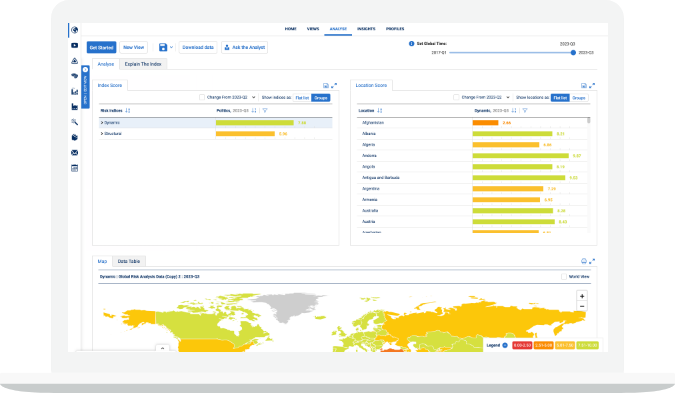
Easily identify and analyse threats across the full spectrum of political risk through our GRiD platform and data, or integrate into internal systems via our API
Credible
Our reputation as the world’s leading provider of global risk analytics offers you the confidence and accuracy you need to make critical decisions based on data you can trust
Consistent
All our indices use the same comparable scale, helping you identify, prioritise and compare risks across more than 190+ environmental, political, social and economic issues
Features
Advanced analytics
Created using a unique combination of predictive modelling, event tracking and expert judgement by our analysts to ensure the highest degree of accuracy

Granular
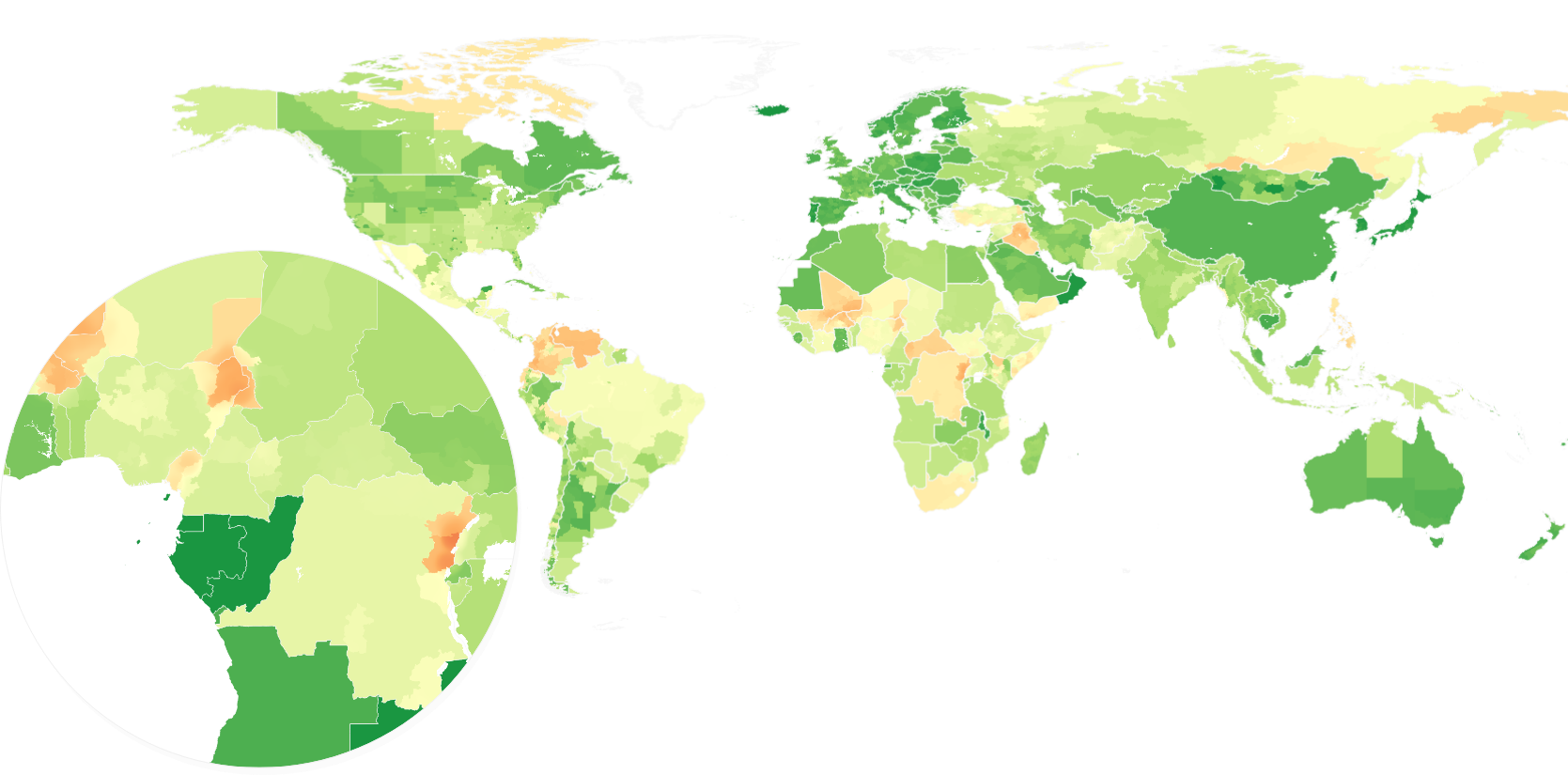
Location scores and interactive maps identify risks at both national and subnational levels across the globe, enabling deeper analysis and more targeted risk prioritisation
Transparent
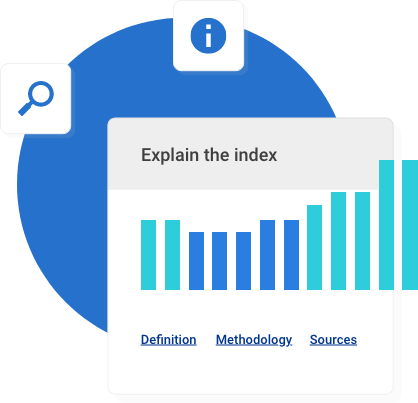
Detailed index definitions, methodologies and source information are fully available
Strengthen your political risk resilience with our world-leading risk data
Related content
Capabilities
Geopolitical & country risk
Forward looking, strategic insight on key markets and global issues
Global SRCC Predictive Scores
The market’s first predictive SRCC data solution – global in scope, granular in detail